

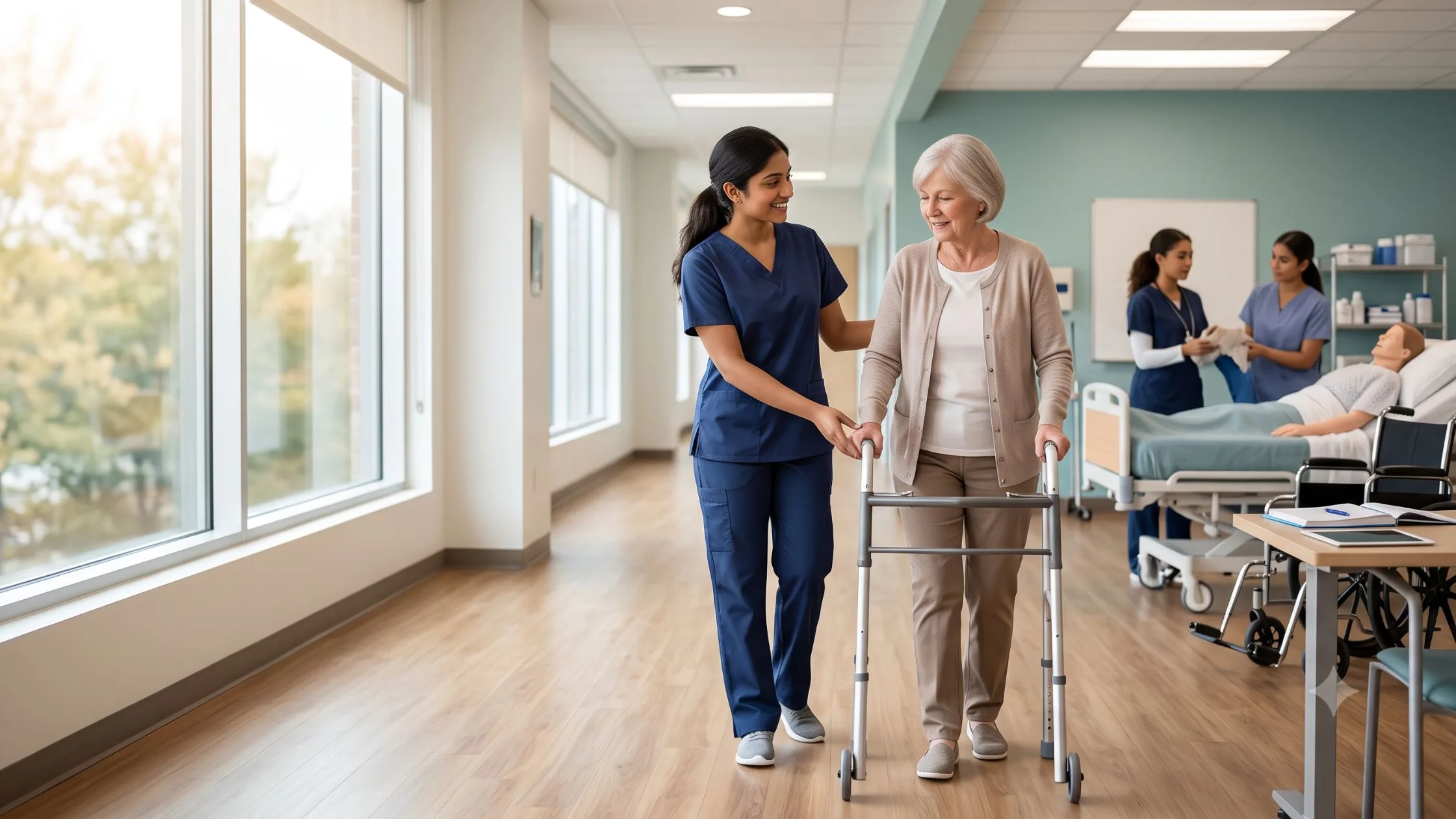
Healthcare careers can offer meaningful opportunities for individuals who enjoy helping others. However, entering this field requires proper knowledge, practical skills, compassion, and professional preparation. A PSW Course can provide beginners with a structured pathway to develop these skills and prepare for caregiving roles.
Personal Support Workers assist individuals with daily activities while promoting dignity, independence, comfort, and safety. Moreover, they can support people with physical disabilities, cognitive challenges, mental health needs, and age-related conditions.
For beginners, choosing the right training program can feel challenging. Therefore, understanding the course structure, required skills, practical experience, and potential career opportunities can help aspiring caregivers make informed decisions.
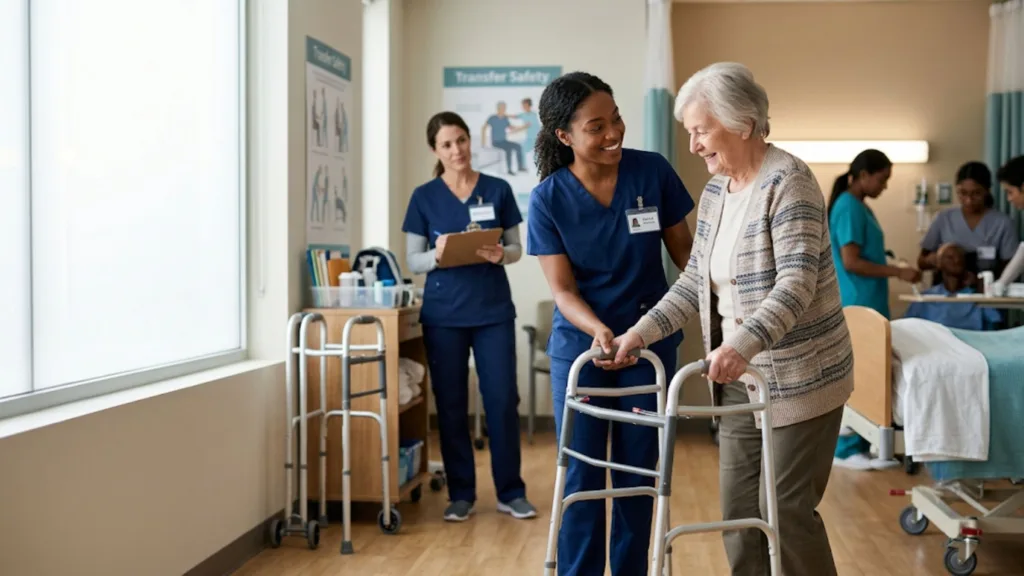
A Personal Support Worker provides hands-on assistance based on each client’s individual needs. Their responsibilities can include personal hygiene, dressing, mobility assistance, meal preparation, household activities, and daily routines.
Furthermore, PSWs can work across various healthcare and community environments. These settings can include long-term care facilities, home care services, supportive housing, retirement homes, hospitals, group homes, and community programs.
Beyond physical assistance, effective caregiving requires patience, communication, and empathy. Therefore, professionals should respect each client’s preferences, privacy, independence, and individual care needs.
A PSW Course can provide a practical pathway for individuals who want to enter the healthcare sector. The training combines essential knowledge with practical preparation, allowing students to understand caregiving responsibilities more effectively.
With proper education and dedication, a PSW career can provide meaningful work while helping individuals receive quality support and care.
Before entering professional caregiving, beginners should develop a combination of practical, interpersonal, and professional skills.
Clear communication helps caregivers understand client needs and collaborate effectively with families, supervisors, nurses, and other healthcare professionals. Consequently, strong communication supports safe, respectful, and coordinated care.
Clients may experience physical limitations, cognitive changes, or emotional challenges. Therefore, caregivers should approach every interaction with patience, understanding, dignity, and respect.
Caregivers must follow appropriate safety procedures during mobility assistance, transfers, hygiene activities, and daily support. They should also recognize potential risks and respond appropriately.
Professionals need to notice changes in a client’s condition and communicate relevant information to the appropriate care team. This practice helps ensure timely support and consistent care.
Caregivers often manage several responsibilities during their shifts. Good organization helps them complete essential tasks efficiently while maintaining attentive, timely, and person-centred care for every client.
Developing these skills helps beginners provide reliable support while building confidence, professionalism, and stronger relationships with clients and healthcare teams.

Choosing the right training program requires more than comparing tuition fees. Beginners should examine the curriculum, practical training, clinical experience, learning options, admission requirements, and applicable training standards.
A strong program should combine classroom education with practical experience. After all, students need opportunities to apply their knowledge instead of relying only on theoretical learning.
When searching for a suitable PSW Course, consider programs that teach important areas such as safety and mobility, body systems, personal hygiene, nutrition, dementia care, care planning, abuse and neglect, and professional communication.
Additionally, students should check whether the program provides supervised clinical placements. Practical exposure can help learners understand real caregiving environments and develop greater confidence before entering the workforce.
DataWiz College offers a 24-week NACC Personal Support Worker program with 700 total training hours, combining classroom learning, practical education, clinical placements, and flexible study options.
This structured program helps students develop practical caregiving skills, gain valuable experience, and prepare for diverse healthcare career opportunities.
After completing PSW Training, graduates can explore different care environments depending on their qualifications and employer requirements. These opportunities can include healthcare facilities, residential settings, home care services, and community programs.
Employment requirements vary by employer and jurisdiction, so graduates should understand workplace expectations while completing PSW Training to build skills and confidence.

Start by developing strong foundational knowledge during your training. Then, focus on applying classroom concepts through practical activities and clinical placements.
Next, strengthen your communication and documentation skills because caregivers regularly interact with clients, families, and healthcare professionals. You should also follow safety procedures carefully because responsible care protects both clients and caregivers.
Additionally, use clinical placements as opportunities to learn from instructors and experienced professionals. Ask relevant questions, observe carefully, and reflect on your experiences to improve your abilities.
Most importantly, continue learning after completing your PSW Course. Healthcare environments can change, and ongoing professional development can help caregivers respond effectively to evolving client needs and workplace expectations.
A successful caregiving career requires practical knowledge, compassion, communication, and professional responsibility. The right PSW course can help beginners develop these qualities through structured education, hands-on learning, and clinical experience.
DataWiz College provides a structured NACC-based program that combines theory, practical preparation, supervised clinical placements, and flexible learning options. This approach can help aspiring caregivers develop relevant skills and prepare for opportunities across healthcare and community-care environments.
A PSW Course teaches students essential caregiving knowledge and practical skills for supporting individuals with daily activities and personal care needs.
The DataWiz College program runs for 24 weeks and includes 700 total hours of training, including classroom and clinical learning.
Yes. DataWiz College includes supervised clinical placements that allow students to apply their classroom knowledge in facility and community settings.
Graduates can explore opportunities in long-term care, home care, retirement communities, hospitals, group homes, supportive housing, and community-based care settings.
