

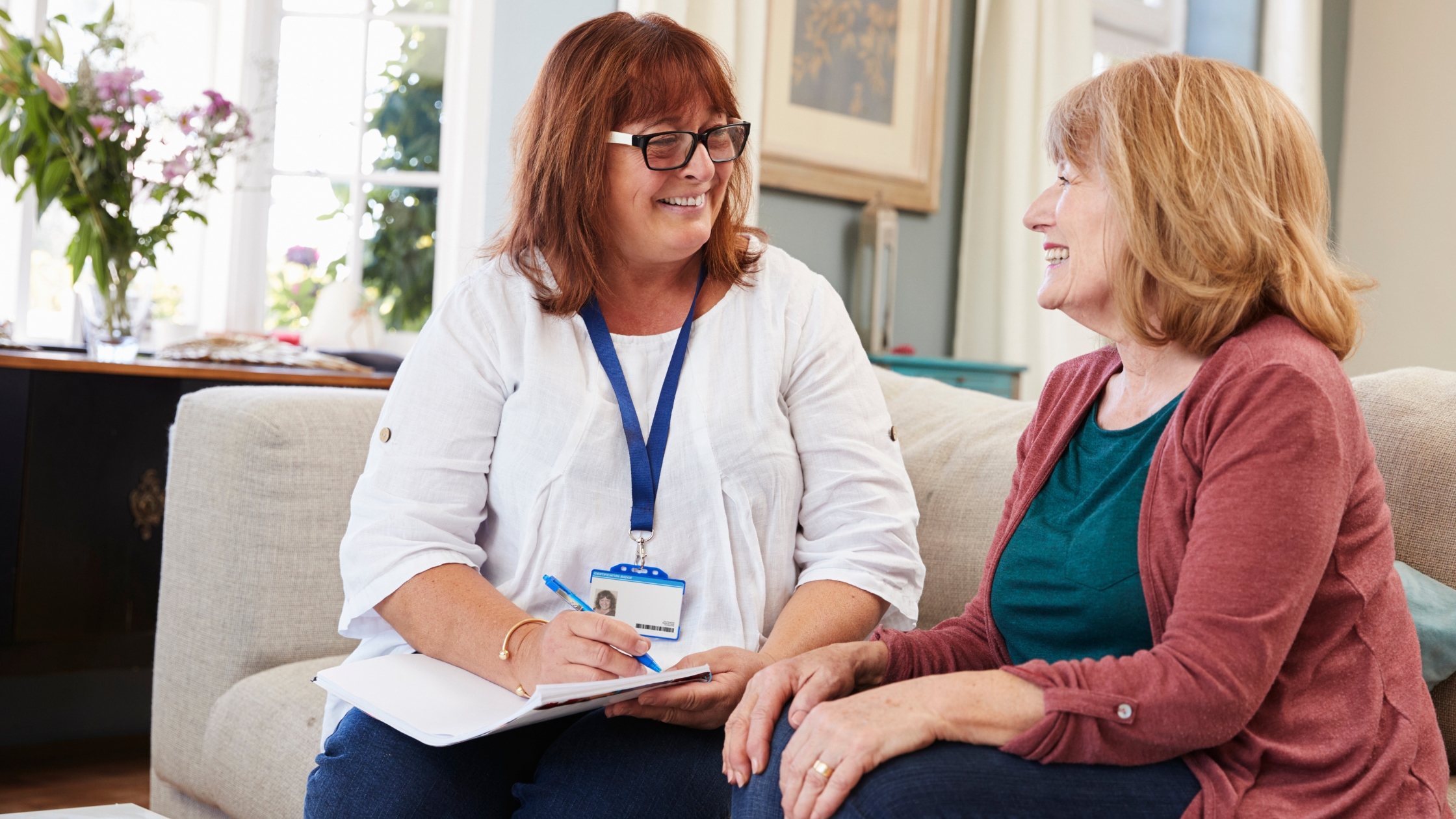
Healthcare careers offer meaningful opportunities for people who want to support others and make a difference. Becoming a Personal Support Worker provides a practical pathway into healthcare.
A Personal Support Worker helps individuals manage daily activities while promoting dignity, independence, comfort, and safety. Moreover, professionals can support people with physical disabilities, cognitive challenges, mental health needs, and age-related conditions.
However, beginners often wonder where to start, which skills they need, and how to choose the right training program. Structured education can answer these questions and build confidence for real-world care environments, while developing essential professional skills and knowledge.

A Personal Support Worker provides hands-on assistance based on each client’s individual needs. Their responsibilities can include personal hygiene, dressing, mobility assistance, meal preparation, household tasks, and support with daily routines.
Furthermore, PSWs can work with individuals across different stages of life. They may provide services in long-term care facilities, home care environments, supportive housing, retirement homes, hospitals, group homes, and community settings.
Beyond physical assistance, effective care requires empathy and communication. Therefore, professionals must understand each client’s preferences and respect their independence while providing appropriate support.
Personal Support offers a rewarding career, combining compassionate care, practical skills, professional growth, and diverse opportunities across healthcare and community settings, while helping individuals live healthier, more independent lives.
With the right training and dedication, Personal Support can lead to a fulfilling career while making a meaningful difference in people’s lives.
Before entering professional care, beginners should develop a combination of practical and interpersonal skills.
Clear communication helps caregivers understand client needs and collaborate effectively with families, supervisors, nurses, and other healthcare professionals, ensuring safe, respectful, and coordinated care in different situations.
Clients may experience physical limitations, cognitive changes, or emotional challenges. Therefore, caregivers should approach every interaction with patience, respect, and understanding.
Caregivers must follow appropriate safety procedures when assisting with mobility, transfers, hygiene, and other daily activities. They should also recognize potential risks and respond appropriately.
Professionals need to notice changes in a client’s condition and communicate relevant information to the appropriate members of the care team, helping ensure timely support and appropriate responses.
Caregivers often manage multiple responsibilities during their shifts. Good organization helps them complete essential tasks while maintaining quality and person-centred care, while ensuring clients receive timely and attentive support.
Developing these essential skills helps beginners deliver safe, compassionate, and reliable care while building confidence, professionalism, and stronger relationships with clients and healthcare teams.

Choosing the right training program requires more than comparing course fees. Beginners should examine the curriculum, practical training, accreditation or applicable standards, clinical experience, delivery options, and admission requirements.
A strong program should combine classroom learning with practical experience. After all, students need opportunities to apply their knowledge rather than simply memorize healthcare concepts.
For beginners searching for the best personal support worker certification for beginners, a program that follows an established training standard and includes supervised clinical experience can provide a stronger foundation.
You should also check whether the program teaches important areas such as safety and mobility, body systems, personal hygiene, nutrition, abuse and neglect, care planning, dementia care, and professional communication.
DataWiz College offers a 24-week NACC Personal Support Worker program with 700 training hours, combining theory, clinical placements, comprehensive coursework, and flexible learning options.
This structured program helps students develop practical caregiving skills, gain valuable experience, and prepare confidently for diverse healthcare career opportunities.
After completing training, graduates can explore diverse care settings, including hospitals, retirement homes, group homes, home care, and community facilities, while meeting employer requirements.
Completing the right training opens diverse career opportunities, while practical skills, compassionate care, and understanding workplace requirements help graduates build successful healthcare careers.
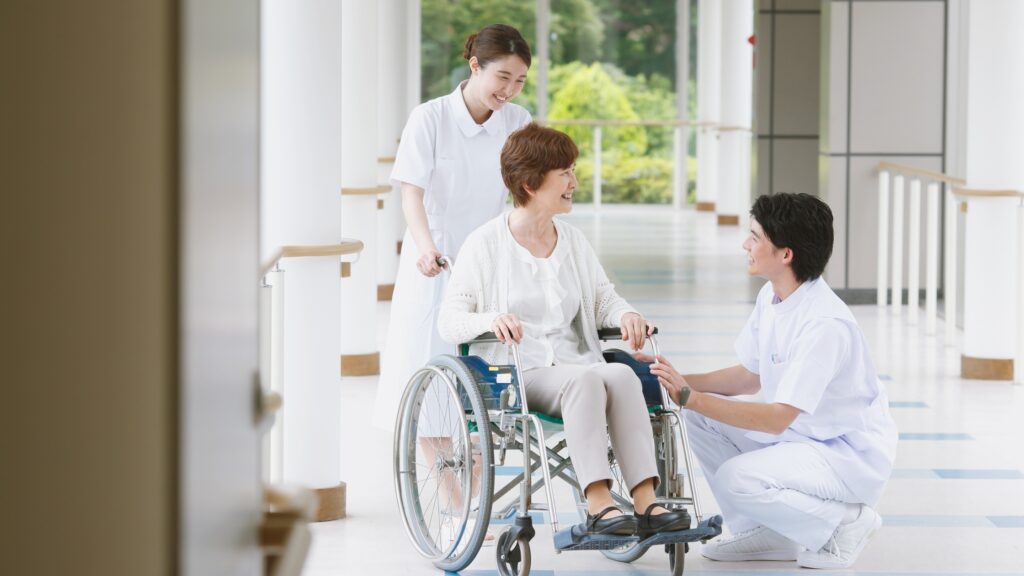
Start by building strong foundational knowledge. So focus on practical skills during your training and clinical placements.
Next, develop professional communication habits and learn how to document information accurately. You should also take safety procedures seriously because quality care depends on protecting both clients and caregivers.
Additionally, treat clinical placement as an opportunity to develop confidence. Ask appropriate questions, learn from instructors and preceptors, and reflect on your experiences.
Most importantly, remember that healthcare learning does not end after graduation. Continued learning can help professionals adapt to changing client needs, workplace expectations, and healthcare practices.
Starting a healthcare career requires preparation, practical training, and genuine commitment to helping others. A structured program can give beginners the knowledge, hands-on experience, and professional foundation they need to enter care-focused environments with greater confidence.
For aspiring caregivers, DataWiz College provides a structured NACC-based PSW program that combines theory, practical learning, and supervised clinical placements. This approach helps students build relevant skills while preparing them for diverse healthcare and community-care opportunities.
A PSW assists clients with daily activities, personal care, mobility, household tasks, nutrition, and other support based on individual needs.
DataWiz College’s NACC PSW program runs for 24 weeks and includes 700 total training hours, including theory, practice, and clinical placements.
Yes. Practical and clinical training helps students apply classroom knowledge, develop confidence, and understand how care practices work in real-world environments.
Graduates can pursue opportunities in settings such as long-term care, home care, supportive housing, retirement homes, hospitals, group homes, and community programs.
