

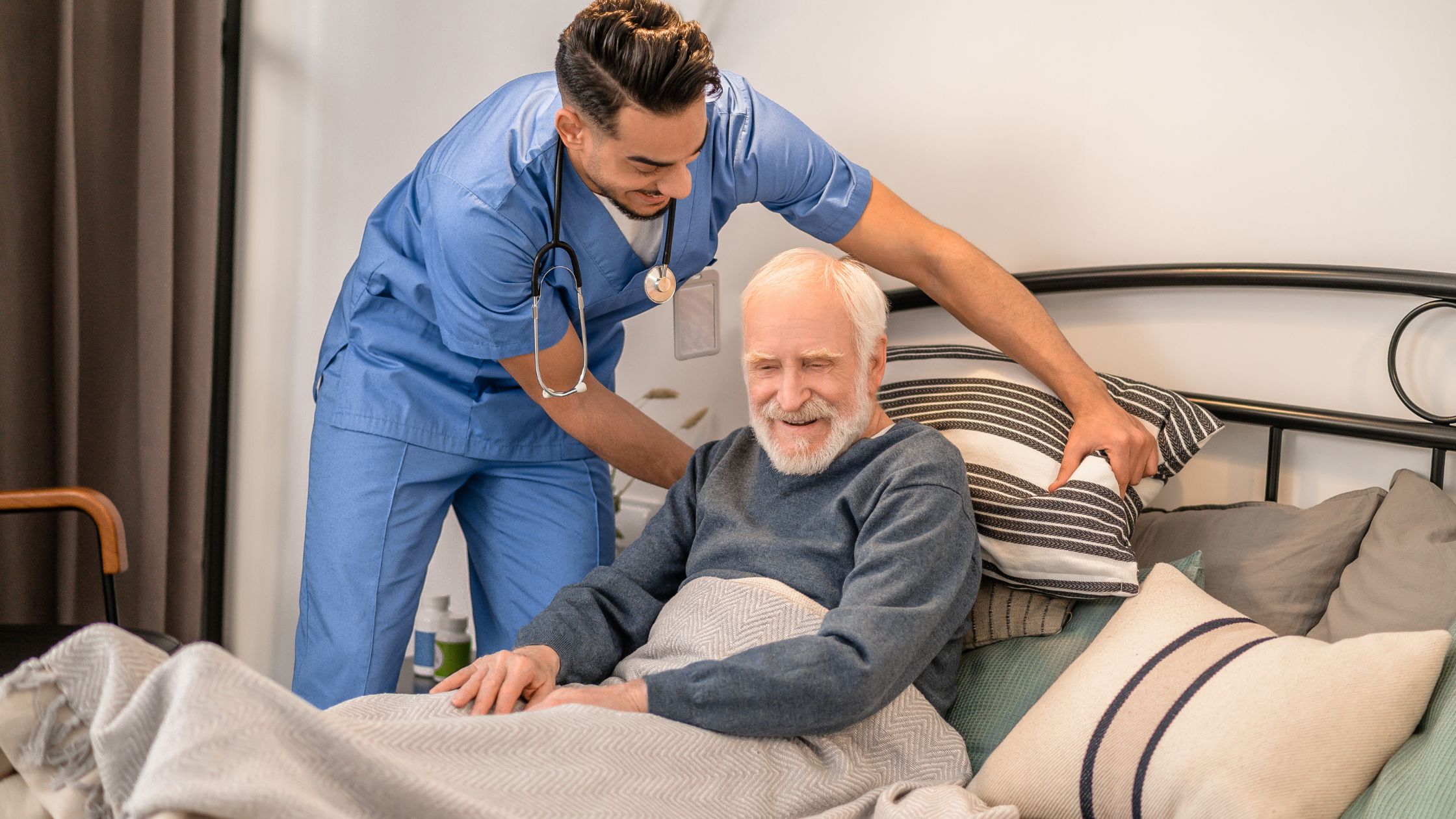
Choosing a Personal Support Worker career requires more than compassion because students must develop practical, communication, safety, and observation skills for real care settings. PSW Courses Online can make theory more flexible while still connecting learning with instructor guidance and required clinical experience. Therefore, students should compare curriculum standards, delivery formats, practical training, and placement requirements. A strong program should prepare learners to support daily living, communicate professionally, and protect dignity. This guide explains essential PSW skills, training expectations, clinical learning, flexible study options, and factors students should evaluate when planning a healthcare career.
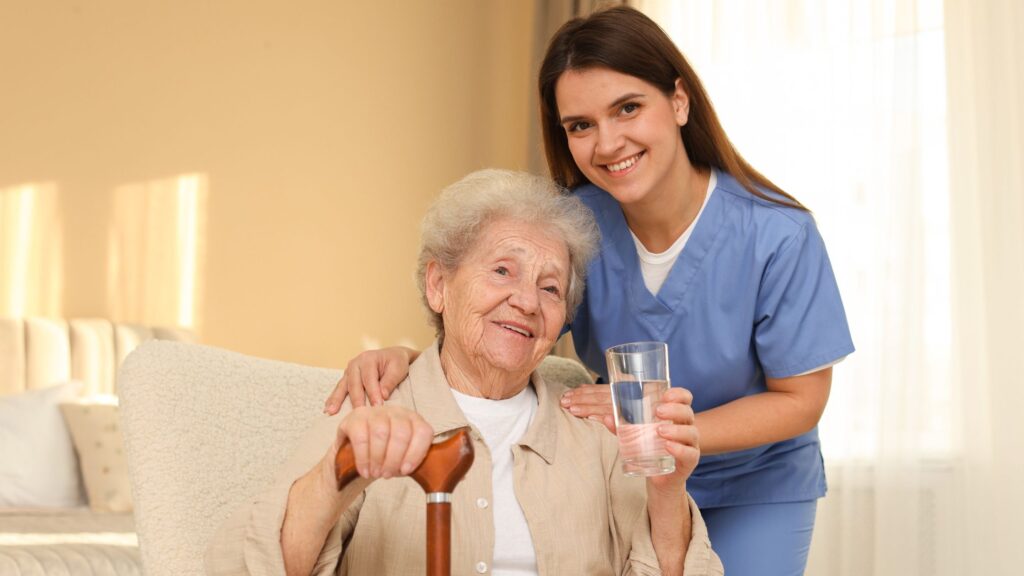
Online learning can help students balance education with work, family, or other responsibilities. However, PSW education cannot rely on screen-based lessons alone because graduates need hands-on caregiving abilities.
DataWiz College offers a 24-week NACC Personal Support Worker certificate program with 700 total hours. The program includes 400 hours of theory and practice plus 300 hours of clinical placement. In addition, students can choose synchronous online, in-person, or hybrid learning for applicable instruction.
Consequently, students should distinguish flexible online coursework from clinical placement requirements. Practical experience helps learners apply classroom concepts under supervision before entering care environments.
A useful PSW Skills List should include practical caregiving abilities and professional behaviours. Ontario’s Personal Support Worker training standard emphasizes person-centred support, safety, communication, documentation, and activities of daily living.
PSWs may assist with bathing, grooming, dressing, toileting, mobility, and other daily activities. Therefore, students must learn safe techniques while protecting privacy, independence, comfort, and dignity.
Clear communication helps PSWs understand needs and work effectively with clients, families, supervisors, and care teams. Moreover, empathy supports respectful responses to emotional, cognitive, and physical challenges.
Caregivers need to notice relevant changes in a client’s condition and communicate them accurately. Consequently, training should develop careful observation, appropriate reporting, and dependable documentation habits.
Students must understand infection prevention, risk reduction, body mechanics, mobility support, and safe positioning. In addition, they need to recognize hazards affecting clients or caregivers.
PSWs may support hydration, meal preparation, safe food handling, light household responsibilities, and client routines. Therefore, training should connect these tasks with individual care needs.
Developing these essential PSW skills helps students provide safe, respectful, reliable care while supporting client comfort, dignity, and independence daily.
A complete PSW Training Program should combine practical skills, healthcare knowledge, professional communication, and supervised experience to prepare students for responsible, person-centred caregiving roles successfully.
Together, these elements prepare students to provide safe, compassionate, and dependable support while meeting professional expectations across diverse care settings.
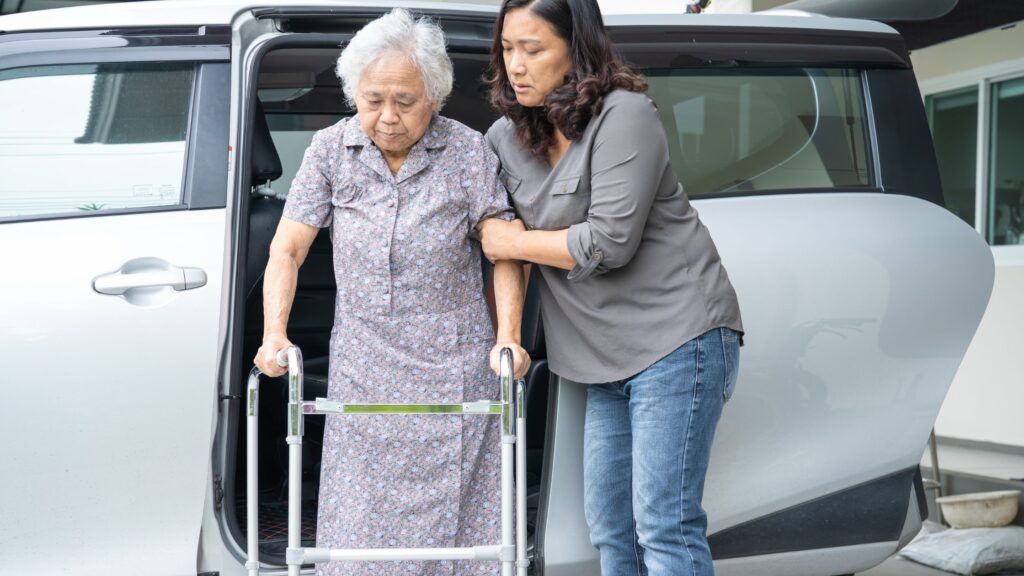
Clinical placement gives students practical experience in real care environments, helping them build confidence, communication, professional judgment, and workplace readiness.
Practical placements strengthen confidence, competence, and readiness while preparing students for professional PSW responsibilities successfully.
Ontario PSW training standards help students choose recognized programs that combine approved learning outcomes, employability skills, practical instruction, and clinical experience before entering care roles.
Reviewing recognized standards helps students choose credible PSW education that builds practical competence, professional confidence, and stronger career readiness overall.
PSW graduates can work across diverse care environments, each requiring adaptability, professionalism, communication, reliability, and strong person-centred support skills daily.
Adaptable skills help PSWs work confidently across varied care settings while supporting client safety and dignity.
Students should compare more than tuition when evaluating healthcare education because program quality, structure, and practical experience can strongly influence career preparation. First, review program duration, curriculum standards, delivery methods, clinical placement hours, instructor support, and admission requirements. Next, consider whether the schedule fits work, family, and personal commitments. Furthermore, ask how the college supports students before, during, and after clinical placement. DataWiz College’s PSW program runs for 24 weeks and offers multiple learning formats to support different schedules and learning preferences. Prospective students should also confirm eligibility requirements, placement expectations, available academic support, and graduation criteria. Comparing these factors carefully can help learners choose a program that matches their goals, responsibilities, preferred learning style, and long-term career plans within the personal support work field.

PSW Courses Online can provide flexible access to healthcare education, but effective preparation also requires practical training, supervised placements, communication skills, and consistent practice. Students should understand the full pathway before choosing a program.
DataWiz College combines instructor-led study with a 24-week NACC-based curriculum and 300 hours of clinical placement. Therefore, aspiring caregivers can explore DataWiz College for current program details, delivery formats, admission requirements, and training support.
Online theory can offer flexibility, but students still need practical and clinical placement experience.
PSWs need communication, personal care, mobility, observation, documentation, safety, empathy, and time-management skills.
The program runs for 24 weeks and includes 700 total training hours.
Graduates may pursue roles in long-term care, home care, hospitals, retirement homes, and community settings.
