


Helping someone bathe, move safely, or prepare a meal requires more than goodwill. Caregivers need practical training, sound judgment, compassion, and a clear understanding of professional boundaries. However, many aspiring caregivers feel uncertain about the Personal Support Worker Qualifications that Ontario colleges and employers expect. Do you need previous healthcare experience? Can you complete your studies online? What does certification involve? This guide answers these important questions while exploring admission requirements, essential caregiving skills, supervised placements, and career opportunities. Additionally, you will discover how to compare training programs and choose a learning pathway that supports your long-term caregiving career goals.

Employers value safety, communication, and person-centred support. However, admission and employment criteria serve different purposes. For example, colleges assess whether applicants can enter training, while employers assess whether graduates can perform particular duties.
Furthermore, workplace expectations depend on the setting. A long-term care home may require proof of graduation from a qualifying PSW program, while a home-care employer may apply different hiring criteria. Ontario’s PSW training guidance describes both learning components.
Before enrolling in a Personal Support Worker program, review the admission standards carefully. Ontario colleges assess academic readiness, essential health documentation, background screening, and eligibility for required supervised clinical placements.
DataWiz College accepts applicants who have completed Grade 12 or an equivalent qualification. Therefore, gather your transcripts or academic records before applying to help the admissions team verify your eligibility.
Applicants who qualify for mature student admission may enter through an alternative pathway. However, DataWiz College requires them to pass a college entrance examination, so prepare before scheduling your assessment.
Before starting practicum, students must provide a satisfactory medical report. Consequently, arrange any required appointments early and confirm exactly which medical documents DataWiz College needs to approve your upcoming placement.
DataWiz College also asks students to submit relevant health records. Therefore, contact admissions for the current documentation checklist, confirm submission deadlines, and keep copies of everything you provide for reference.
Students need a clean Canada-wide criminal record check with Vulnerable Sector Screening before placement. Since processing times vary, begin the screening process early and follow the college’s specific instructions closely.
Meeting these admission requirements helps you prepare for training without unnecessary delays. Therefore, contact DataWiz College to confirm eligibility, required documents, and important application deadlines.
Effective PSW training combines classroom knowledge, practical skills, and supervised placements. Students learn compassionate caregiving while protecting client dignity, maintaining safety, and recognizing individual needs.
Together, these learning experiences build practical confidence, professional judgment, and essential caregiving abilities for supporting people across diverse care settings.
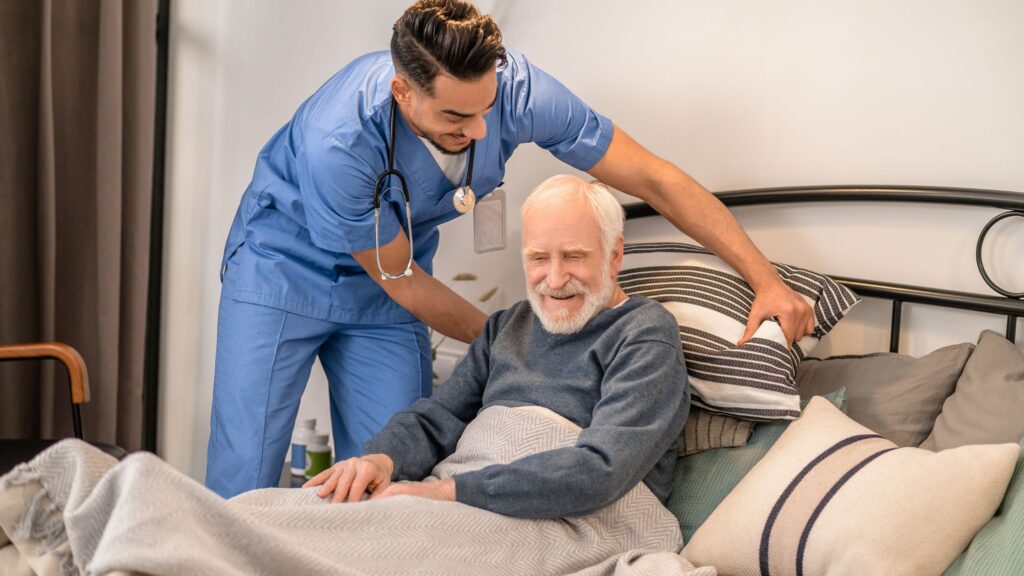
A Personal Support Worker Online Course can offer flexible learning, although students must still complete hands-on training in clinical settings.
Ultimately, flexible lessons and supervised placements help students build confidence for meaningful, rewarding caregiving careers.
A Personal Support Worker Certificate confirms completion of program requirements. However, a certificate alone does not guarantee employment or authorize every healthcare task.
At DataWiz College, students must complete 13 courses and the required clinical placements to earn the program credential. The college bases its curriculum on the NACC Ontario Personal Support Worker 2022 training standard.
Furthermore, Ontario’s official college program standard explains the learning outcomes behind PSW education. Because credentials vary, verify program approval and employer acceptance.
Beyond academic training, employers seek personal qualities that support safe, compassionate care. Therefore, aspiring Personal Support Workers should develop these essential professional habits throughout training.
Together, these qualities strengthen caregiving confidence, build employer trust, and prepare graduates to provide dependable support across diverse care settings.
PSW certification opens opportunities across Ontario’s healthcare sector, allowing graduates to support people in various settings while developing meaningful careers.
Before applying, review employer requirements and explore DataWiz College’s Ontario PSW salary guide for context.

Compare curricula, delivery formats, clinical hours, and admissions. Moreover, ask who coordinates placements and what support students receive during practical training.
Next, check tuition, payment deadlines, and refund conditions. If funding matters, discuss available grants, loans, scholarships, or instalment plans directly with admissions. Eligibility and availability can change, so never assume approval.
Finally, request written details and compare each program against your goals.
Understanding Personal Support Worker Qualifications helps you plan a realistic entry into Ontario’s care workforce. Strong training combines academic preparation, practical experience, communication, and safety awareness. DataWiz College offers a 24-week PSW pathway with flexible class formats and supervised placements. Explore its program details and contact admissions to confirm your eligibility.
Yes. Many programs welcome beginners. However, applicants must meet the college’s academic or mature student criteria and complete the required training.
The program runs for 24 weeks and includes 700 training hours. Additionally, students complete 300 hours of supervised facility and community placements.
No. Online instruction can cover suitable course components, but students must complete hands-on clinical placements. Therefore, confirm the practical schedule before enrolling.
No. Employers assess graduation records, skills, workplace requirements, and sometimes additional credentials. Consequently, review each posting before applying.
